Sustainability story
Thoughtful art supply choices can reduce waste without shrinking creativity.
Classrooms need vibrant materials, but they also need plans that respect storage, cleanup, and budget realities. Nasco Education treats sustainability as a practical classroom conversation: choose supplies that fit the lesson, use durable tools where they matter, avoid overbuying single-project items, and help teachers plan refills before last-minute substitutions create waste.
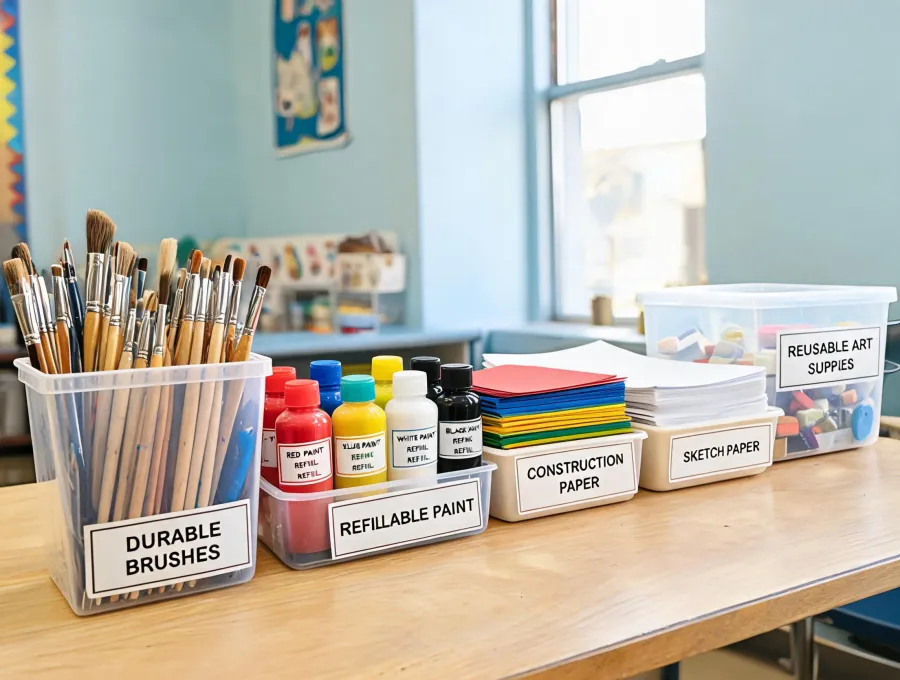
Small planning habits create visible classroom impact
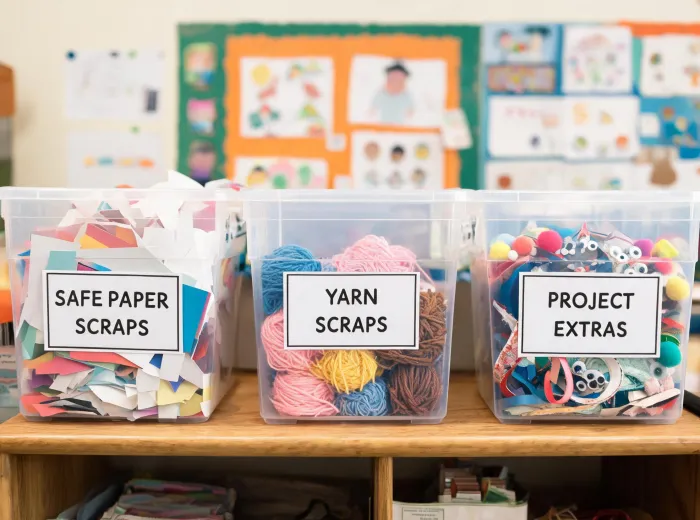
Waste in art rooms often starts with good intentions: too many duplicate items, mismatched kit quantities, or specialty supplies purchased before the project has been fully scoped. A better plan begins by separating consumables from durable tools and by matching materials to the grade band, class size, and project calendar. That allows schools to buy enough without turning storage closets into overflow rooms.
We encourage teams to review what can be reused, what needs consistent replenishment, and what should remain a special purchase. This makes sustainability less abstract. It becomes a set of concrete ordering decisions that teachers can explain and buyers can support.
Responsible supply planning should feel useful on Monday morning, not just impressive in a report.
Classroom tips
Ways to reduce excess while keeping projects rich.
These practices can be adapted by districts, individual schools, and after-school programs.
Better habits in real learning spaces
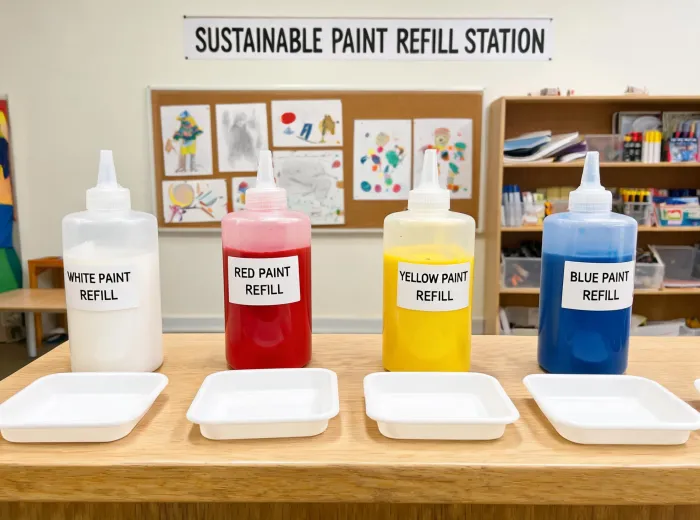
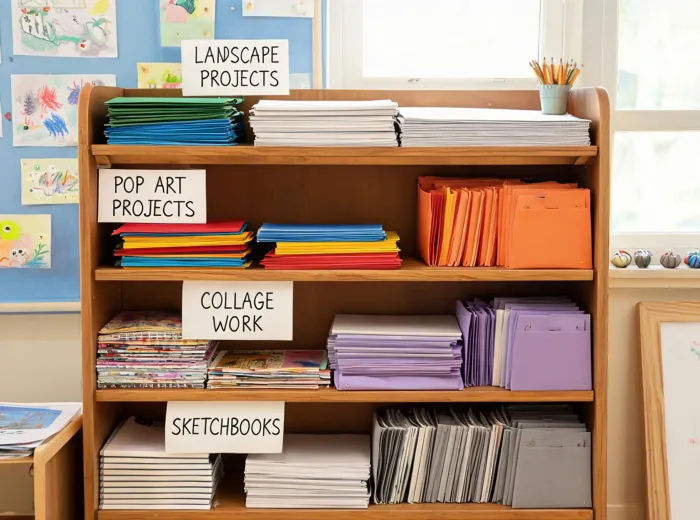
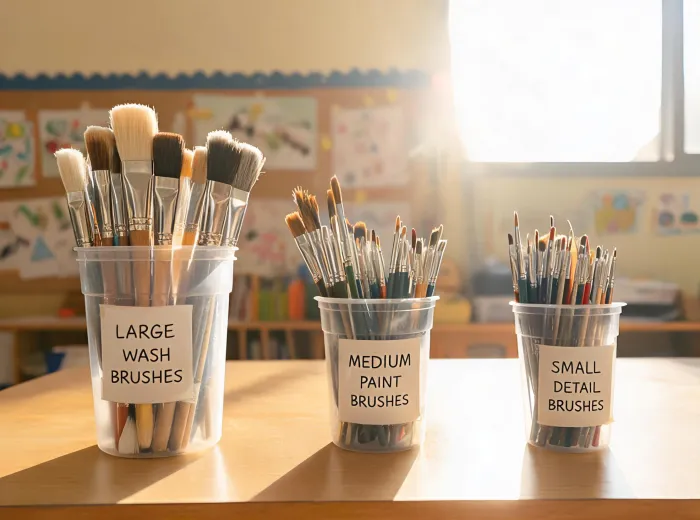
Plan a lower-waste supply cycle
Ask for help grouping consumables, durable tools, and special project materials.
We will help shape an order path that supports art instruction while avoiding avoidable overbuying.